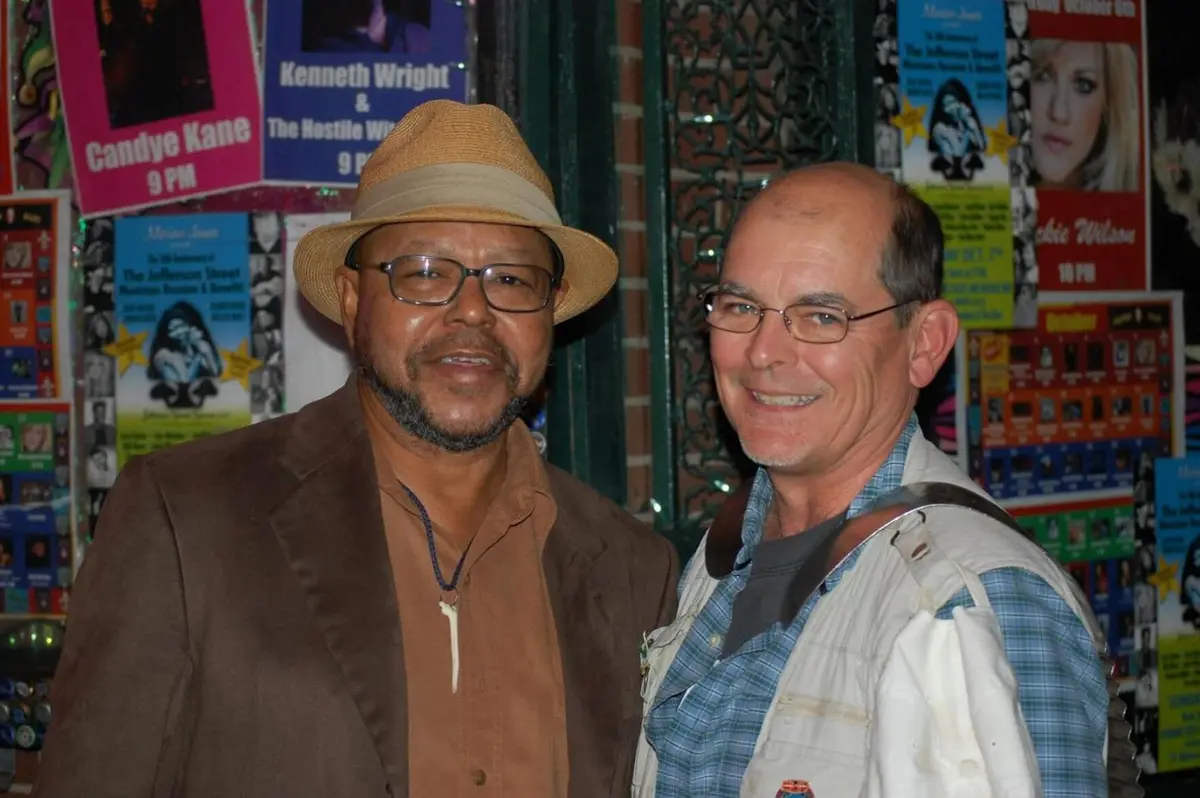
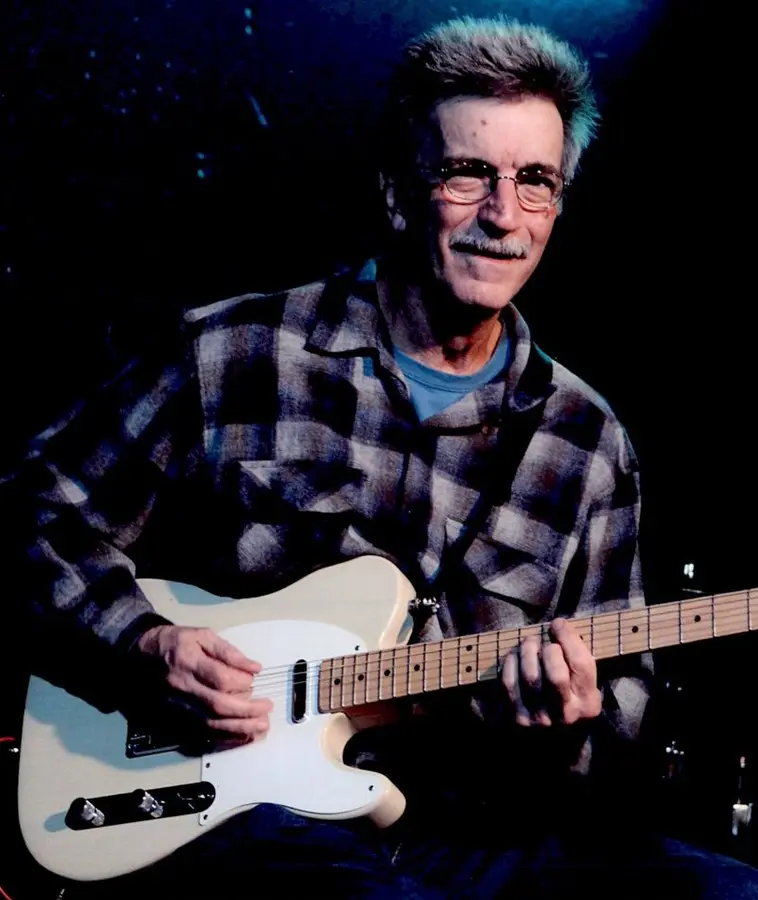
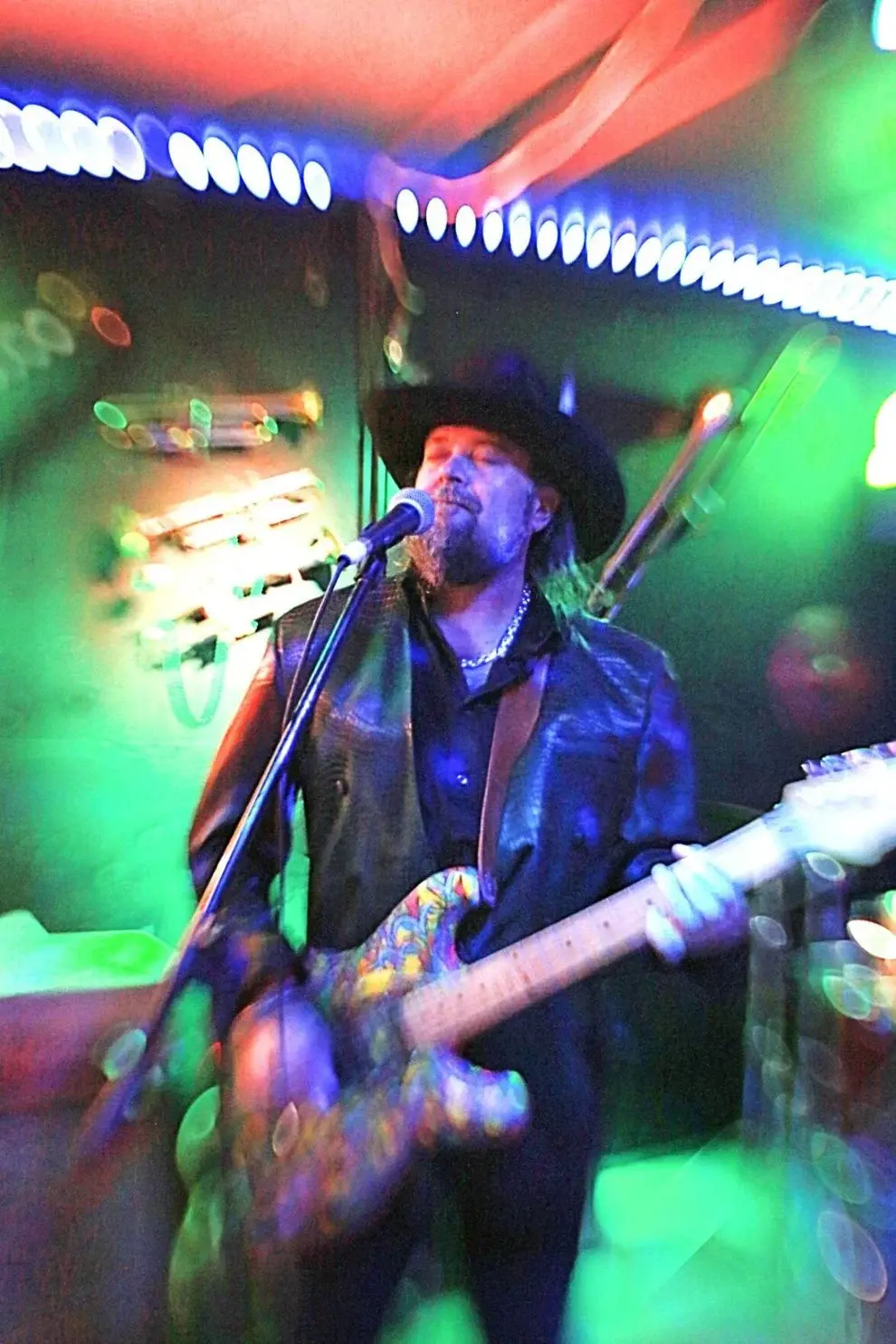
Larry Garner and founder Shannon Williford. Photo: The Advocate
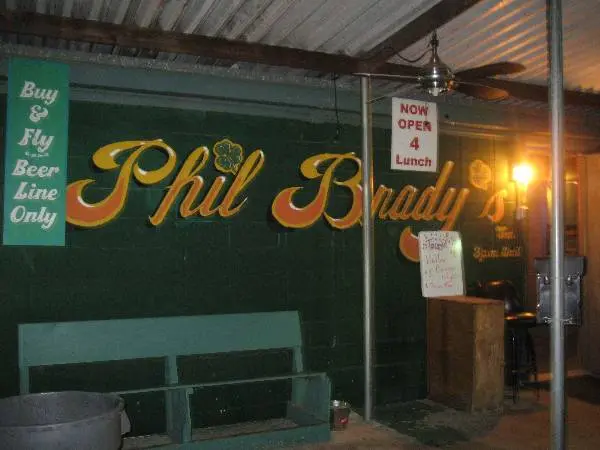
Phil Brady's is the oldest remaining bar in Baton Rouge. It opened in 1942 as Michael's Bar on what was then a two-lane Government Street, and the bar, rail and mirrors you lean on today date from those first nights. In 1979 Phil Brady, a New York transplant with a deep love for the blues, made it his own and gave the city a room built for live music.
In 1986, Shannon "Bayou" Williford started a Thursday night blues jam in a small corner of the darkened bar. Forty years later it has outlasted trends, hurricanes and a pandemic, and it's still going strong every Thursday.
Read moreShow less
A schoolhouse for the blues
Williford came up at the Wednesday night jams at Tabby's Blues Box and Heritage Hall, learning from Baton Rouge bluesmen like Silas Hogan, Guitar Kelly, Henry Gray and Raful Neal. With friends Jim George, Troy Turner and Joe Hunter he formed the first Brady's house band, and the idea was simple: a place where players could sit in together without the commitment of forming a band.
"So many of us playing back then had grown up watching blues musicians at Tabby's Blues Box. It was great to go there and see established artists, but those of us starting out needed somewhere to go and hone our crafts."Shannon Williford
Brady's became that place. Aspiring youngsters learned next to the elders, and some went on to big careers. Williford remembers a teenage Tab Benoit humbly asking for a spot on the stage: "He wasn't much of a guitar player, but, lawdy, mercy, he could sing!" From the start, the jam belonged to everyone. "Raful loved coming in," Williford said. "It's not my music, it's their music."
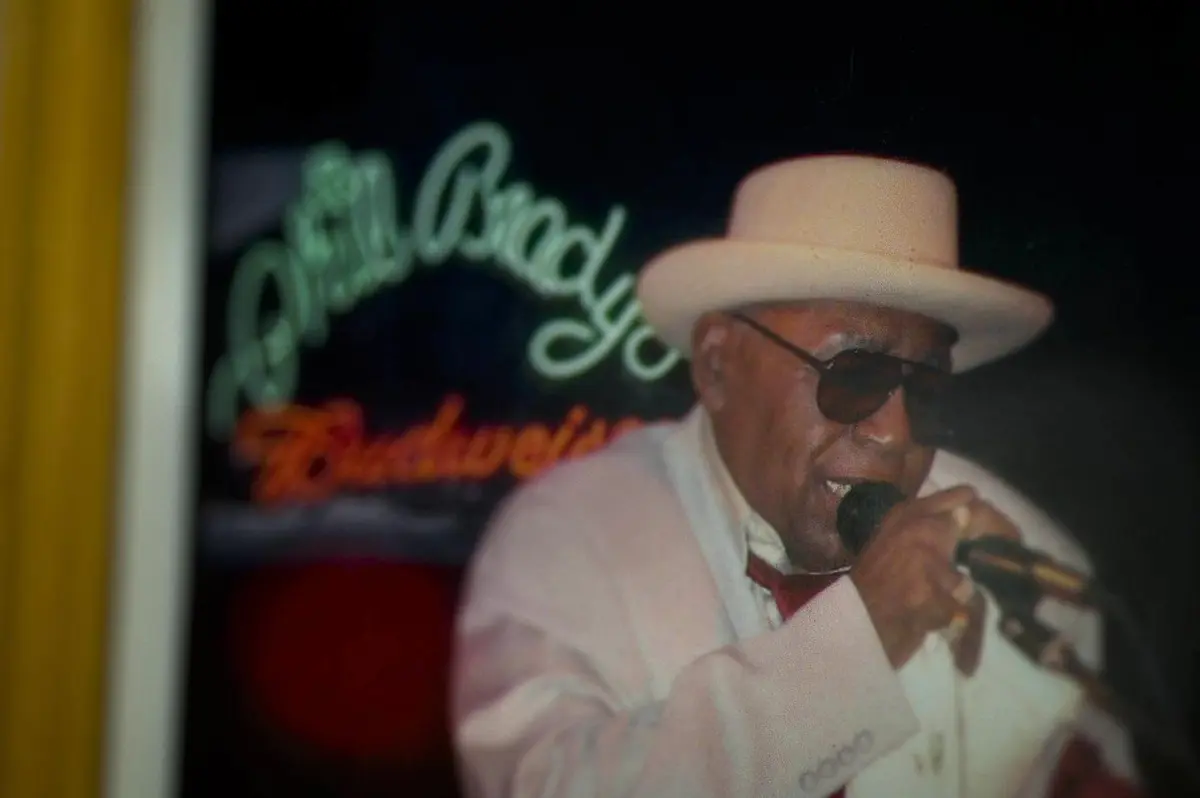
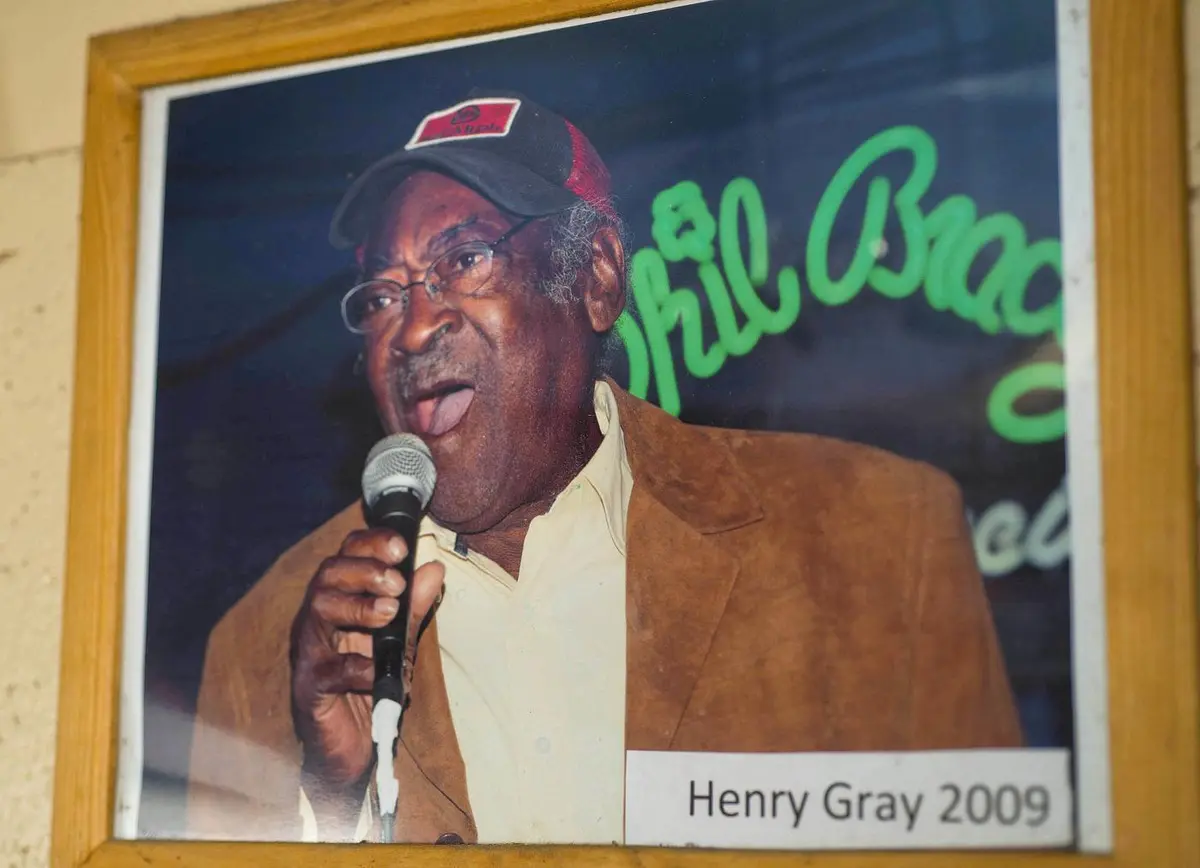
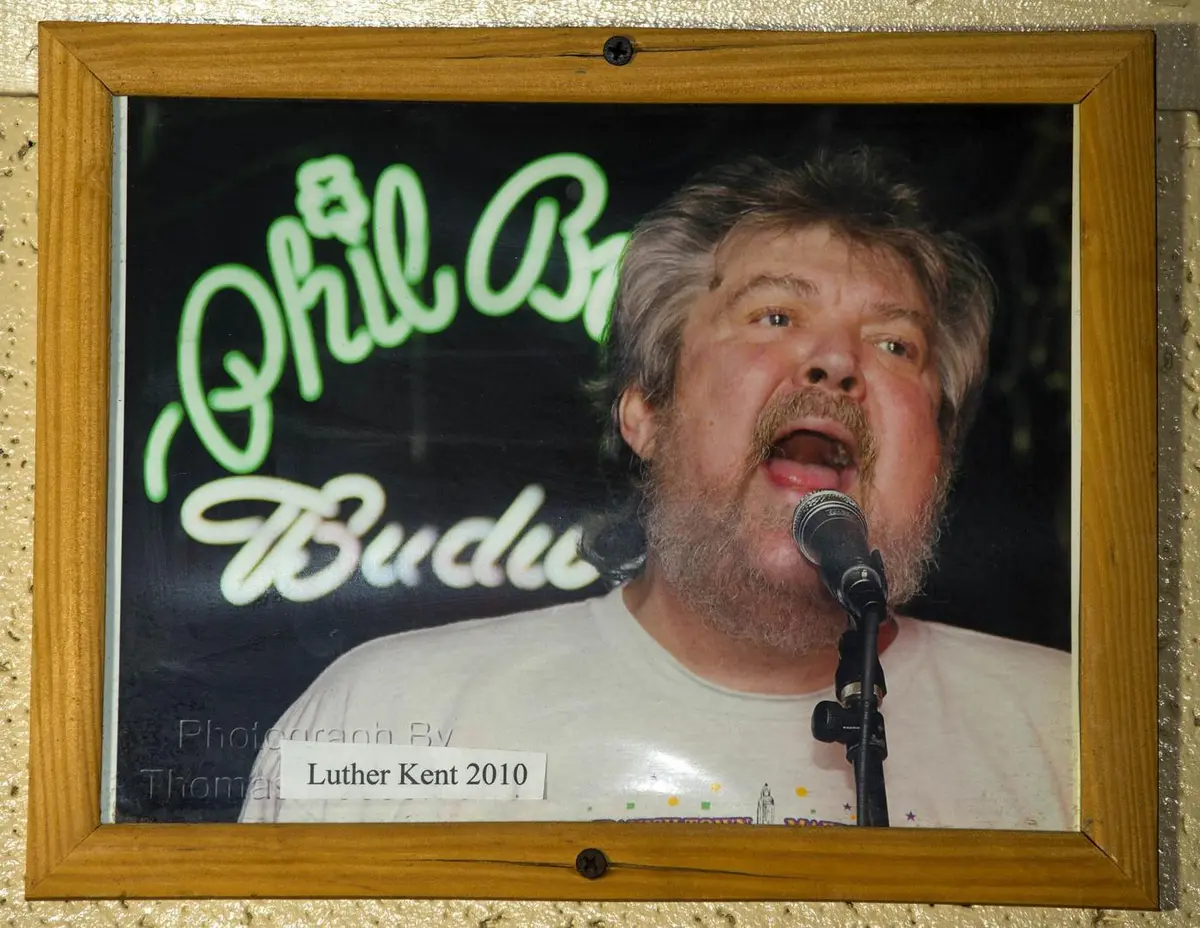
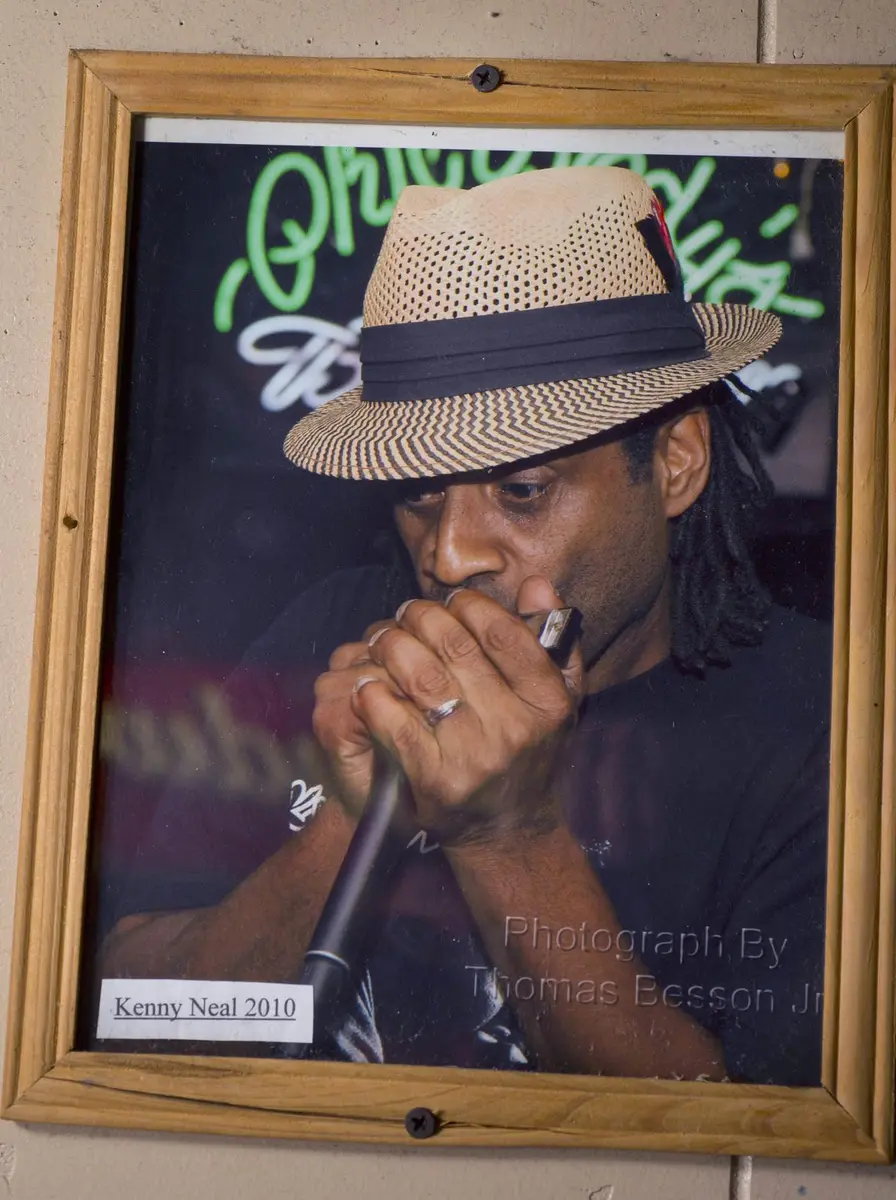
Tabby Thomas, 2007. Photo: Travis Spradling / The AdvocateHenry Gray, 2009. Photo: Travis Spradling / The AdvocateLuther Kent, 2010. Photo: Thomas Besson Jr.Kenny Neal, 2010. Photo: Thomas Besson Jr.
Passing the torch
When Williford moved to Nashville in 1995, guitarist Johnny Rossetti took over the jam and ran it for the next thirty years. Under Johnny, Thursdays became a ritual for players from across Louisiana and visitors from around the world.
"At Brady's, you never know who you're gonna see. Just let the jam roll."Johnny Rossetti
Joe Hall keeps it sacred
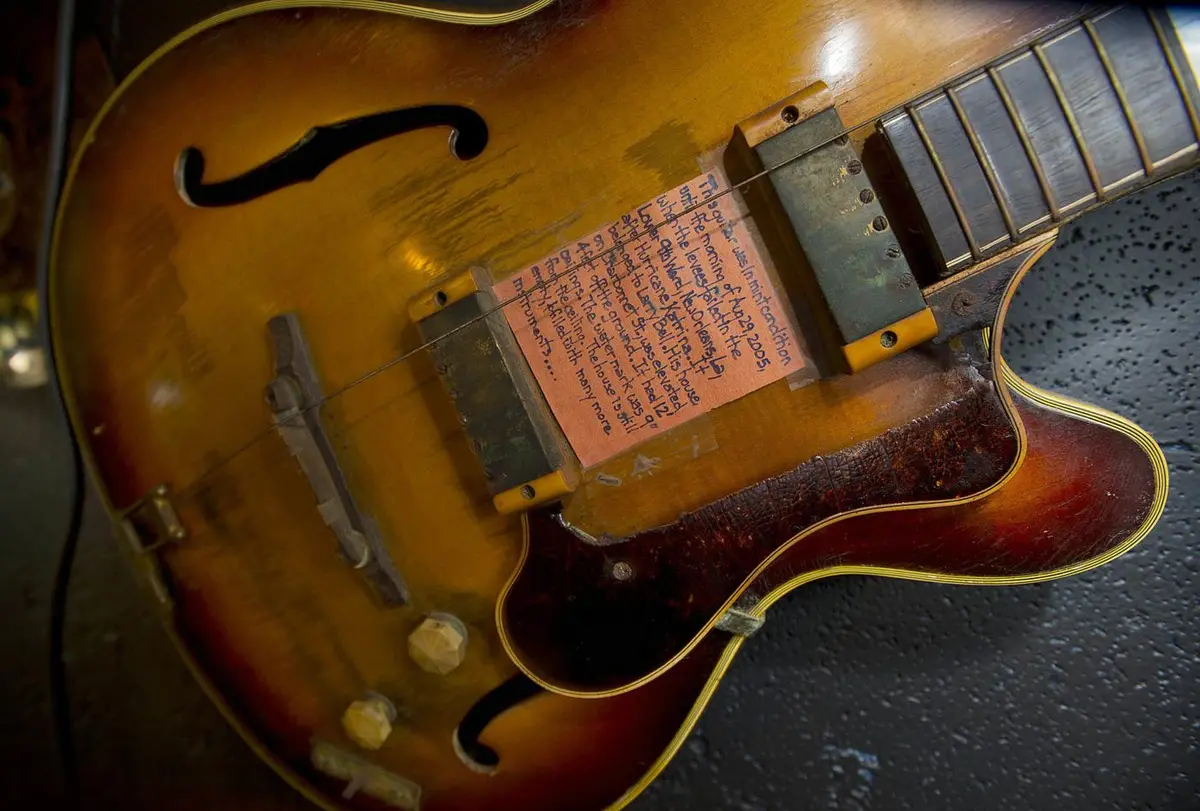
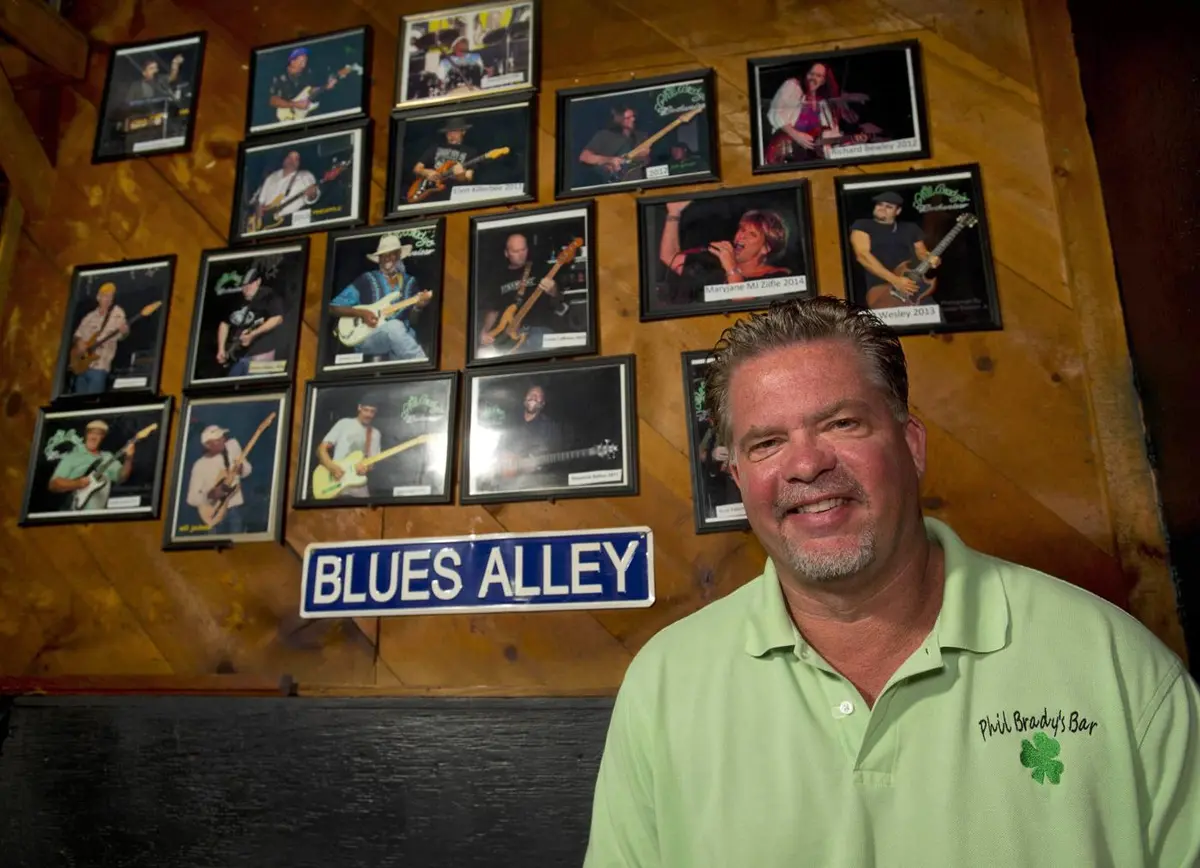
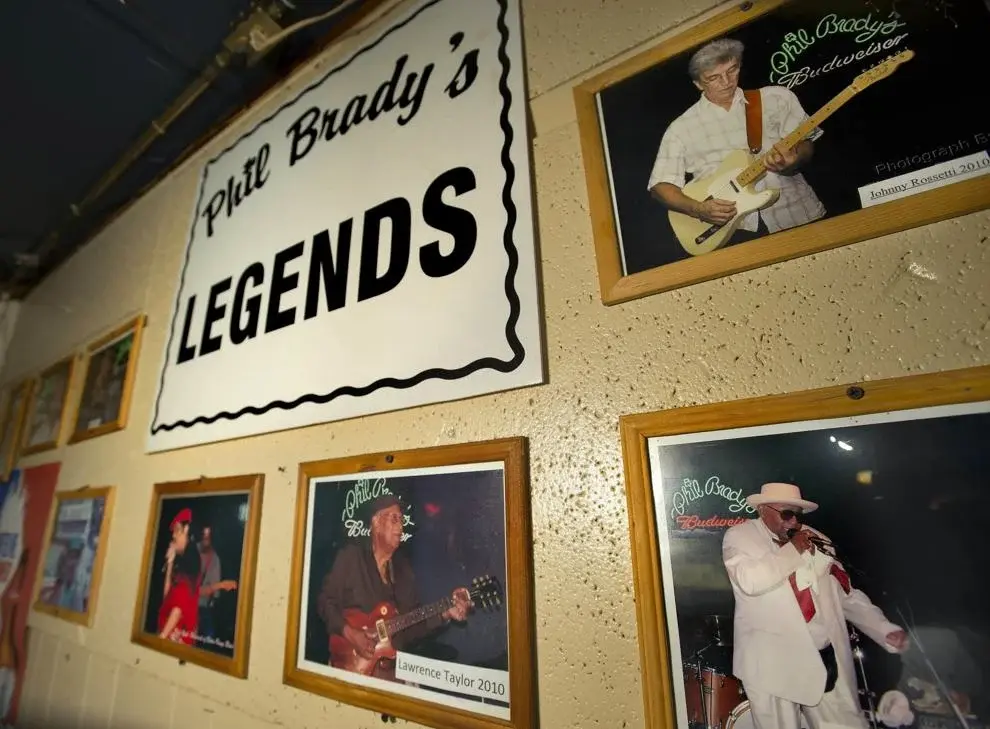
In 2003, Joe Hall, the kid who used to slip in to hear the bands, bought the bar. He opened the weekends to rock, zydeco and everything else, but Thursday stayed sacred for the blues. He covered the walls with the people who made the room: the Legends wall, Blues Alley for the regulars, the World Travelers wall, and a guitar rescued from the Ninth Ward after Hurricane Katrina.
"A lot of people got their start here; they cut their teeth here, and a lot of up-and-coming musicians need to know that they still can. For that reason, the Thursday night Blues Jam will always be around."Joe Hall
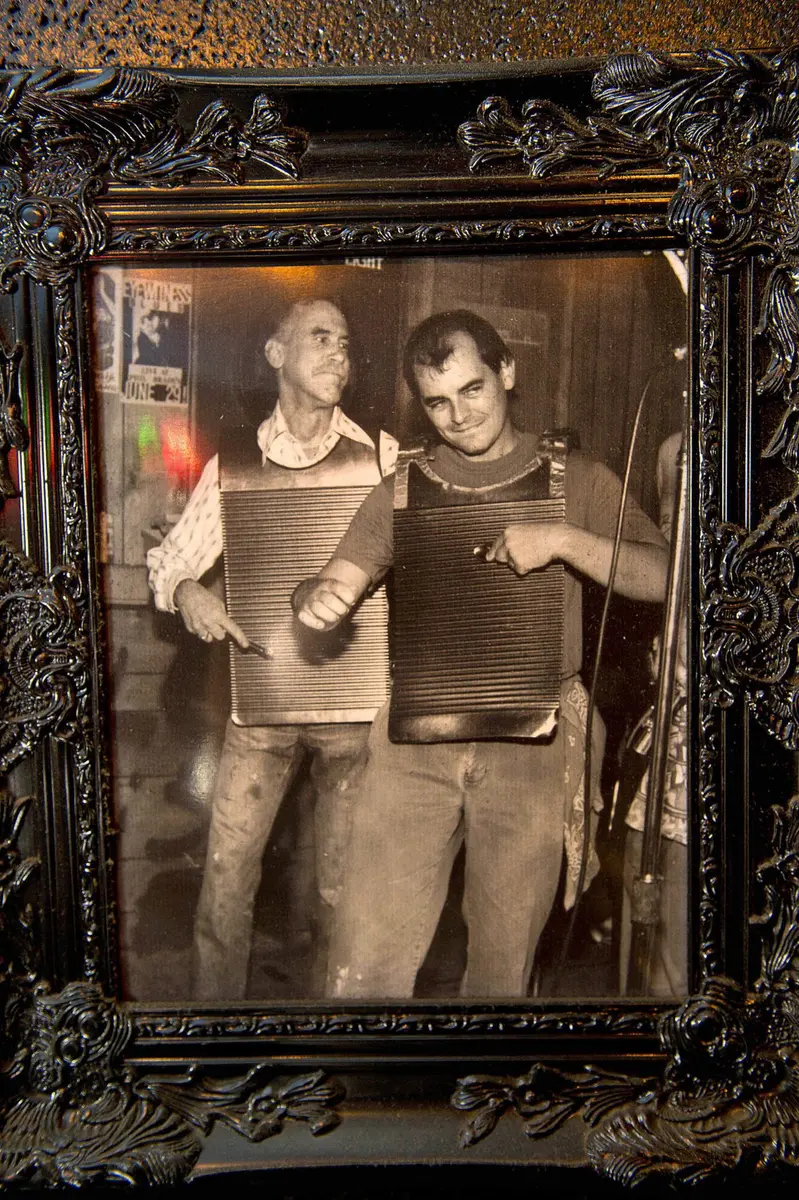
Larry Bell's guitar, saved from the Ninth Ward after Katrina. Photo: Travis Spradling / The AdvocateShannon Williford, right, on rub board with Grit. Photo: Travis Spradling / The Advocate
Forty and counting
In 2025, Jay Michael took over the jam from Rossetti. He walked into his first Brady's jam as a teenager in 1986, too intimidated to even try the stage, and spent years on a stool beside it soaking up Kenny Acosta, Raful Neal, Rudy Richard, Will Jackson and Big Bo Melvin. Now he runs the whole show.
On July 30, 2026, Williford came home to host the 40th anniversary jam and played his original song "Ghosts of Phil Brady's" for the players we've lost, among them Johnny Rossetti, Luther Kent, Jo Monk, Mamie Porter and SunDanze Dunston.
"It's special to have one gig running 40 years. But the musicians make the jam night happen, not me."Joe Hall
"Wouldn't it be amazing," Jay Michael says, "to be at the 100th anniversary blues jam?" See you Thursday.
At a glance
The timeline
1942
Michael's Bar opens
A two-lane Government Street. A little strip with Angelo's Grocery and Pharmacy next door. The bar, railing and mirrors you lean on today date from right here.
1979
Phil Brady opens his doors
A New York transplant with a deep love for the blues, Phil Brady gives the city a room built for live music.
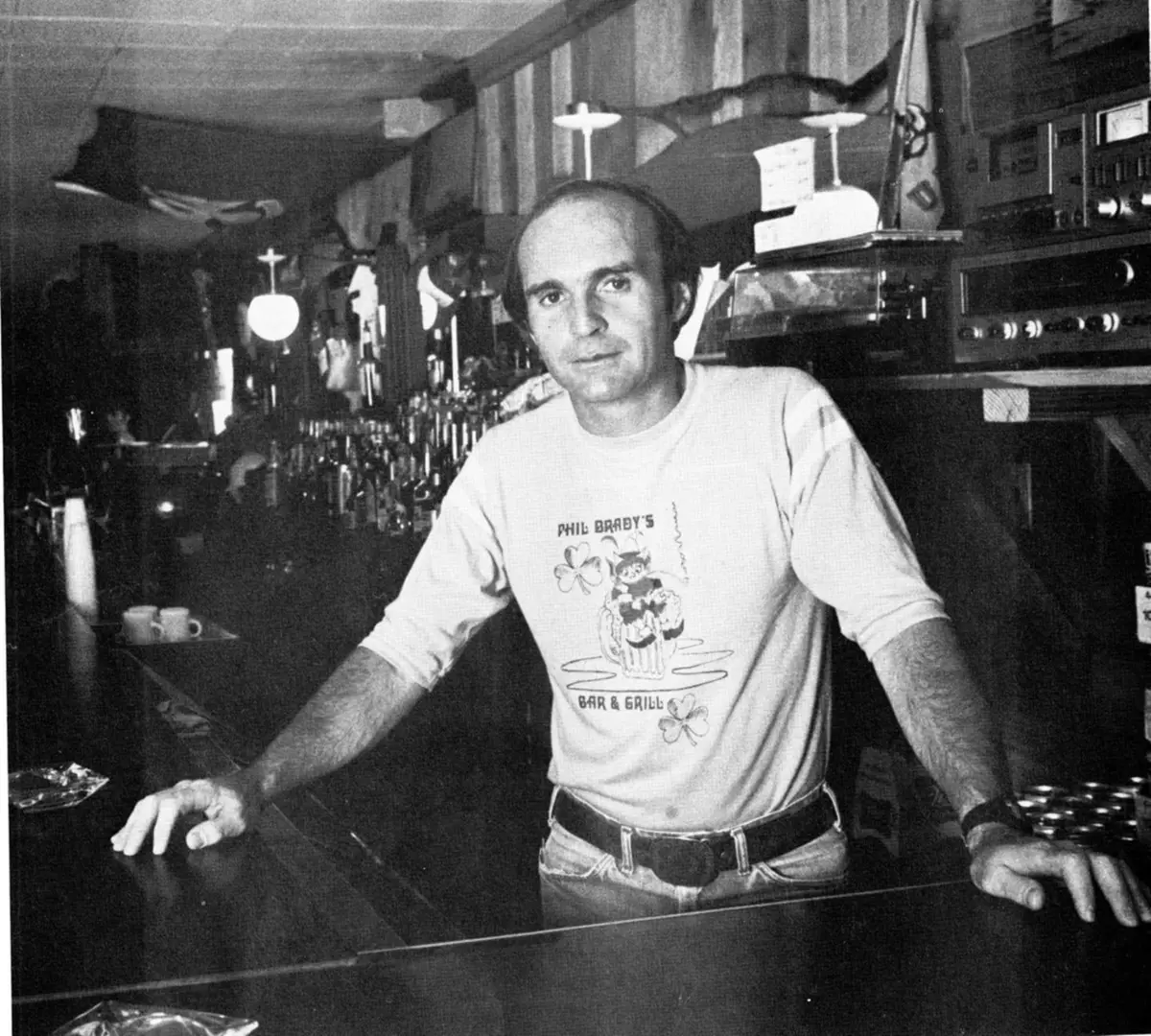
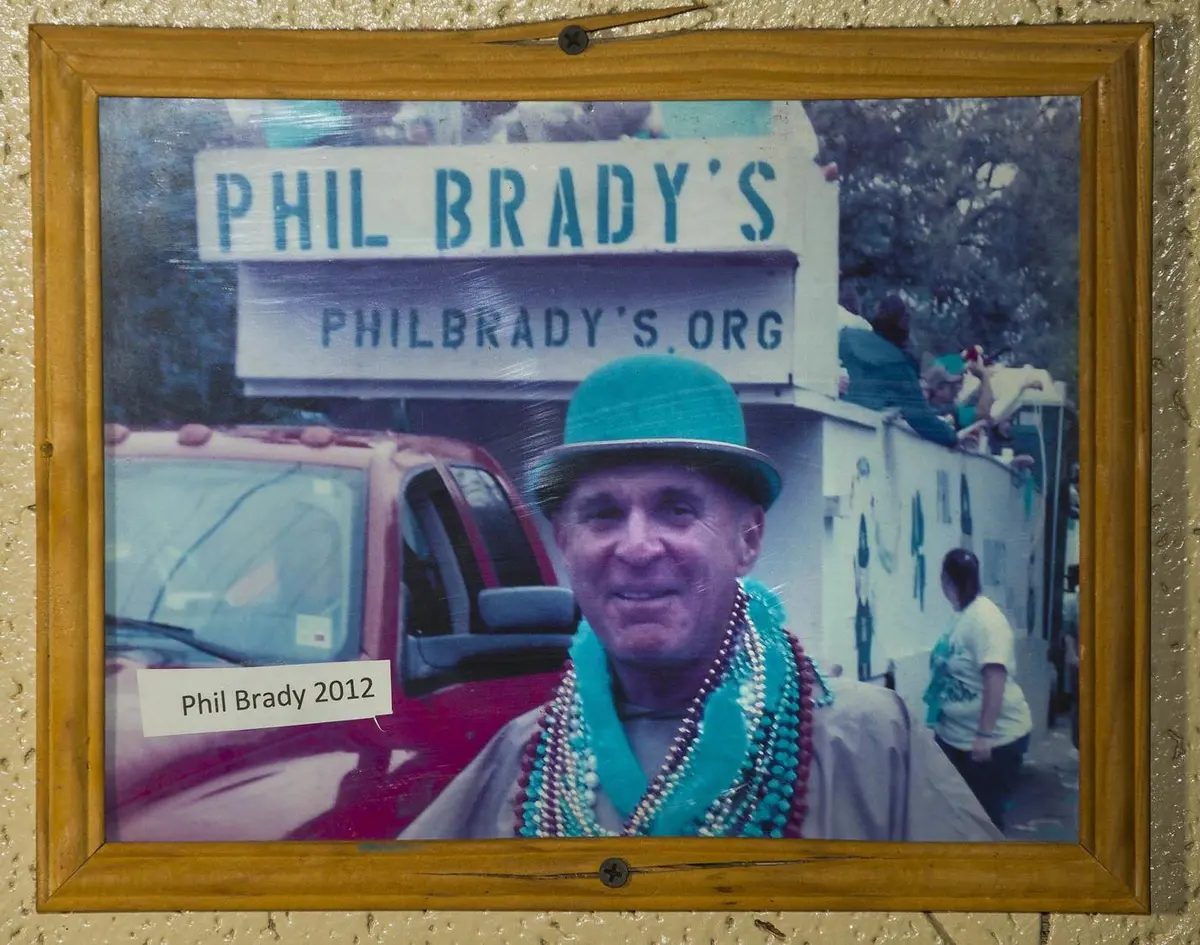
Phil Brady behind his bar, 1981Phil Brady, 2012, from the bar's wall. Photo: Travis Spradling / The Advocate
1986
The Thursday Jam is born
Shannon Williford, with Jim George, Troy Turner and Joe Hunter, launches a Thursday blues jam that finds its forever home at Brady's. Players raised on Tabby's Blues Box now have a schoolhouse of their own.
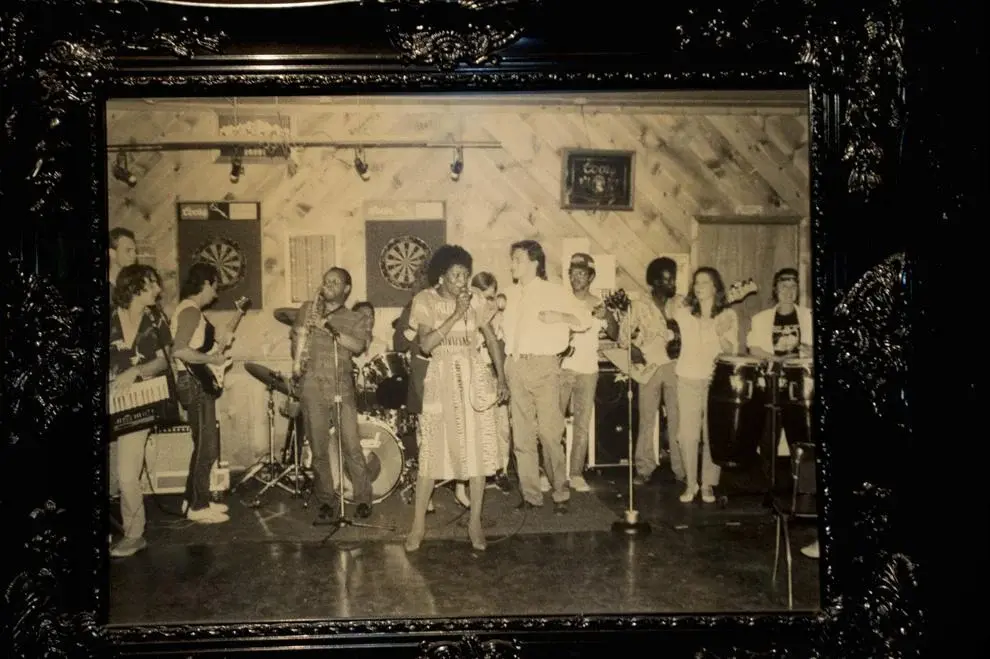
An early jam, still framed on the wallFounder Shannon "Bayou" Williford, who ran the jam until 1995
1995
Johnny Rossetti takes over the jam
When Shannon Williford moves to Nashville, guitarist Johnny Rossetti steps in as jam manager and keeps Thursdays rolling for the next three decades. His rule: "At Brady's, you never know who you're gonna see. Just let the jam roll."
Johnny Rossetti, jam manager from 1995 to 2025
2003
Joe Hall takes the keys
The kid who used to slip in to hear the bands buys the bar. Joe keeps Thursday sacred for the blues and opens the weekends to rock, zydeco and beyond. A younger crowd finds its way in, and the jam grows into a major weekly show.
Joe by the Blues Alley wall of jam regulars. Photo: Travis Spradling / The Advocate
2025
Jay Michael takes the stage
Jay Michael, who walked into his first Brady's jam as a teenager in 1986, succeeds Johnny Rossetti as jam manager. "To have come from a place where I was totally intimidated to running the whole show, it's amazing."
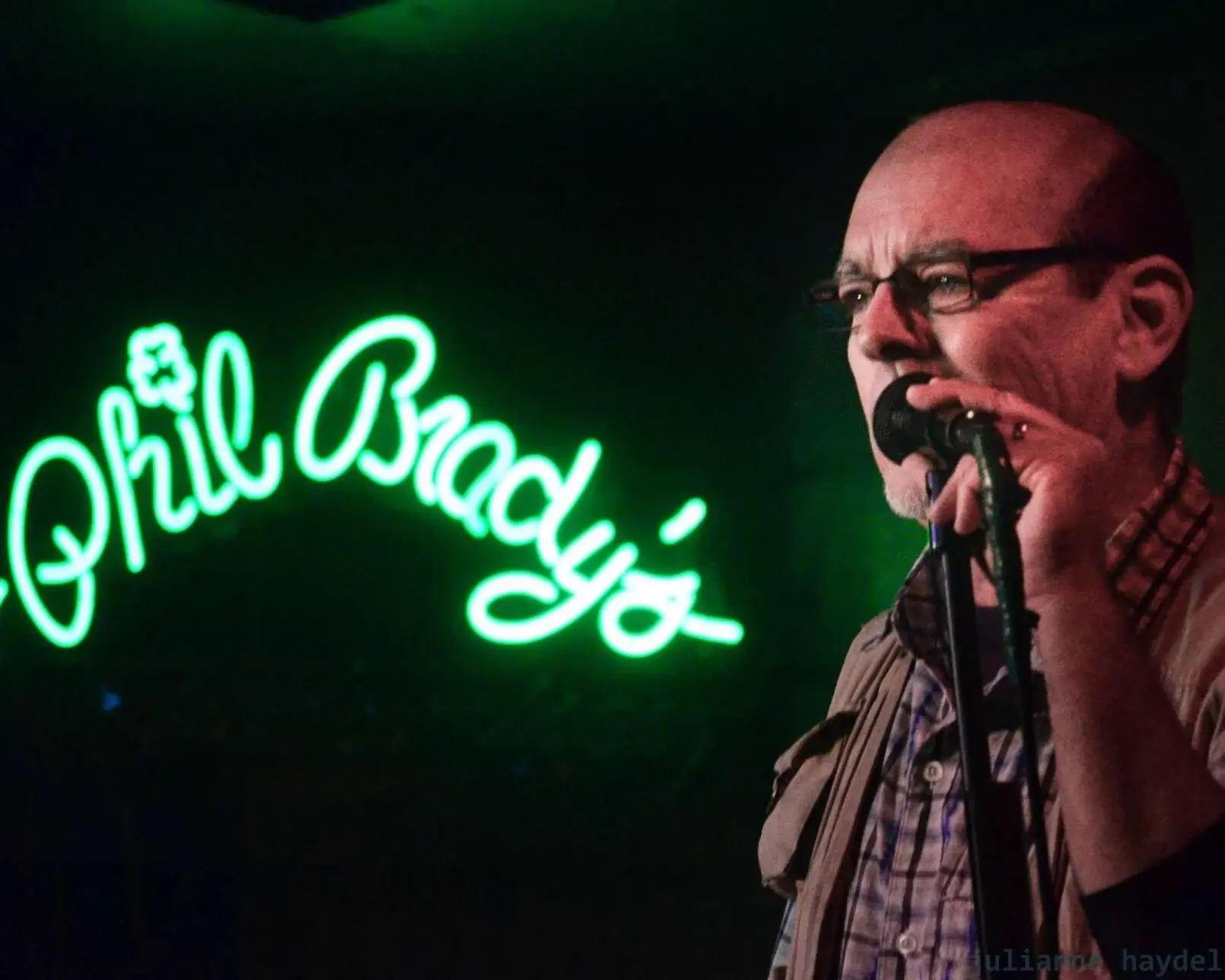
Jay Michael, jam manager since 2025
2026
Forty years of Thursdays
On July 30, founder Shannon "Bayou" Williford came home to host the 40th anniversary jam alongside jam manager Jay Michael, playing his original song "Ghosts of Phil Brady's" for the players we've lost. It's still the place Baton Rouge musicians come to learn, sit in, and come home to.
The Legends Wall. Photo: Travis Spradling
In memory
For the players who gave this stage their lives: Johnny Rossetti, Luther Kent, Jo Monk, Mamie Porter, SunDanze Dunston, MZ Jones (aka Big Lisa), Tabby Thomas, Raful Neal, and every musician we still hear on Thursday nights.
Where generations of musicians have kept the blues alive
The long story
Phil Brady's: A Baton Rouge blues institution
Located at 4848 Government Street in the heart of Baton Rouge's Mid City neighborhood, Phil Brady's Bar & Grill is one of the city's most enduring live music institutions.
Read moreShow less
With roots reaching back more than 80 years, this beloved neighborhood bar has become an important part of Louisiana's musical heritage, welcoming generations of blues legends, emerging artists, and music lovers through its doors.
A history rooted in Baton Rouge
The story of Phil Brady's begins in the early 1940s, when the building housed a small commercial strip that included Angelo's Grocery and Pharmacy and Michael's Bar.
Read moreShow less
In 1942, Government Street was still a two-lane road, and Michael's was already serving the surrounding neighborhood. Remarkably, much of the original bar, including its railing and mirrors, survived into the Phil Brady's era, preserving a tangible connection to the building's earliest days.
Phil Brady's opened in its modern incarnation in the late 1970s and soon established itself as a gathering place for Baton Rouge musicians and music lovers. At a time when Louisiana's blues scene was producing artists of international significance, the bar became a place where the region's musical traditions could flourish.
Home of the legendary Thursday Night Blues Jam
Perhaps no tradition defines Phil Brady's more than its Thursday night blues jam, which dates back to 1986. Recognized as one of the longest-running weekly blues jams in the country, it has become a cornerstone of Baton Rouge's music community.
Read moreShow less
The jam brings together seasoned professionals, touring musicians, local legends, and aspiring performers for an evening of spontaneous musical collaboration. Over the decades, it has served as an informal school for the blues, giving younger players an opportunity to learn directly from the musicians who helped shape Louisiana's distinctive sound.
Artists associated with the venue include internationally recognized blues guitarist Larry Garner, vocalist Luther Kent, and James Johnson, who performed with swamp blues pioneer Slim Harpo. Blues icon Buddy Guy has also been known to stop in, adding to the venue's reputation as a place where extraordinary musical encounters can happen on any given Thursday.
Preserving Louisiana's blues heritage
Baton Rouge holds a special place in American music history. The city and its surrounding communities helped give rise to swamp blues, a distinctive Louisiana sound associated with artists including Slim Harpo, Raful Neal, Silas Hogan, and Buddy Guy.
Read moreShow less
During the twentieth century, legendary venues such as the Glass Hat and Tabby's Blues Box provided stages for these artists and helped establish Baton Rouge as a major center of blues music. As many of those historic clubs disappeared, Phil Brady's remained a vital home for live performance.
Its Thursday night jam has played an especially important role in keeping the tradition alive, bringing together musicians of different generations, backgrounds, and levels of experience. The venue has also hosted gatherings associated with the Baton Rouge Blues Society, including seasonal all-star performances that celebrate the area's extraordinary musical talent.
A new chapter, the same musical spirit
In 2003, longtime patron Joe Hall purchased Phil Brady's, bringing a renewed vision to the neighborhood institution.
Read moreShow less
Recognizing the importance of its blues heritage, Hall preserved the Thursday night jam while expanding the venue's musical programming to include rock, zydeco, metal, and other genres.
The broader calendar introduced new audiences to the club while maintaining its identity as a welcoming gathering place for working musicians. Through changing musical tastes and the evolution of Baton Rouge's nightlife, Phil Brady's continued to offer something increasingly rare: an intimate, unpretentious room where live music and community take center stage.
More than a bar
For decades, Phil Brady's has been a place where friendships form, musical partnerships begin, and Baton Rouge's rich cultural traditions are passed from one generation to the next.
Read moreShow less
Its legacy lives in the musicians who first found their footing on its stage, the accomplished artists who continue to return, and the audiences who gather to experience live music in its most immediate and authentic form.
As Baton Rouge continues to grow and change, Phil Brady's remains a living connection to the city's musical past and an important part of its creative future.
At Phil Brady's, the blues isn't just history. It's a living tradition.
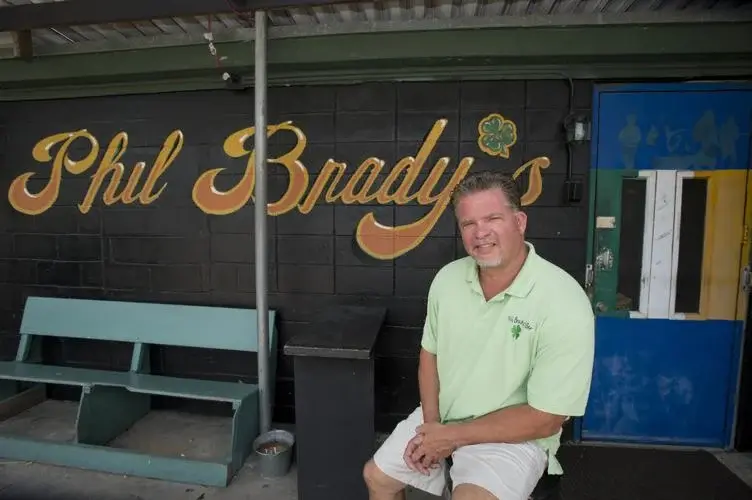
Joe Hall out front. Photo: Travis Spradling
The keeper of the jam
Joe Hall
Joe protected a tradition. He kept the Thursday jam alive through every era, built a room where young and old, Black and white, locals and tourists all share one dance floor, and turned Brady's into a Baton Rouge landmark. The legends tour the world and still come home to his stage.
"We never know who is going to walk through that door."